Home  /  Solar

Make your
own power.
Use more of it.

Residential solar for Rodney homes, installed and connected by a registered electrician who understands the rest of your electrical system, with honest advice on whether it suits you.

Type
Homes
Residential solar
Scope
Full install
Panels to switchboard
Advice
Honest
Is it right for you?
Base
Rodney
Covering all of Auckland

Residential solar

One electrician
for the whole
system.

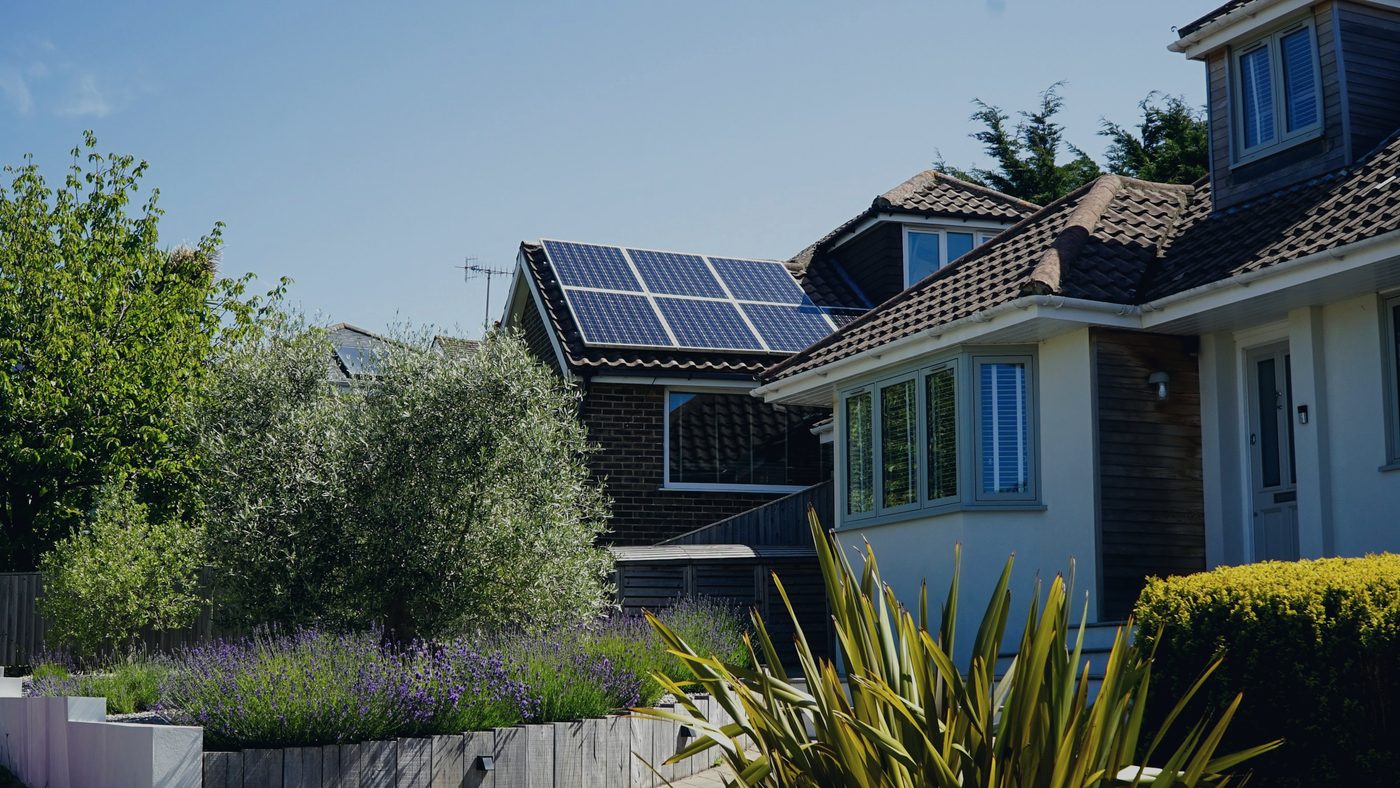
Solar is part of your electrical system, not something bolted on. Having it designed and connected by the person who understands the rest of the house makes for a cleaner result.

A house with solar panels on its roof under a clear sky

Is solar right for your home?

It depends on your roof, any shading, and when you use power. I will look at those with you and give you a straight answer, even if the answer is "not yet".

  • Roof direction and shading
  • How and when you use power
  • Switchboard capacity
  • Future plans, like a battery or EV
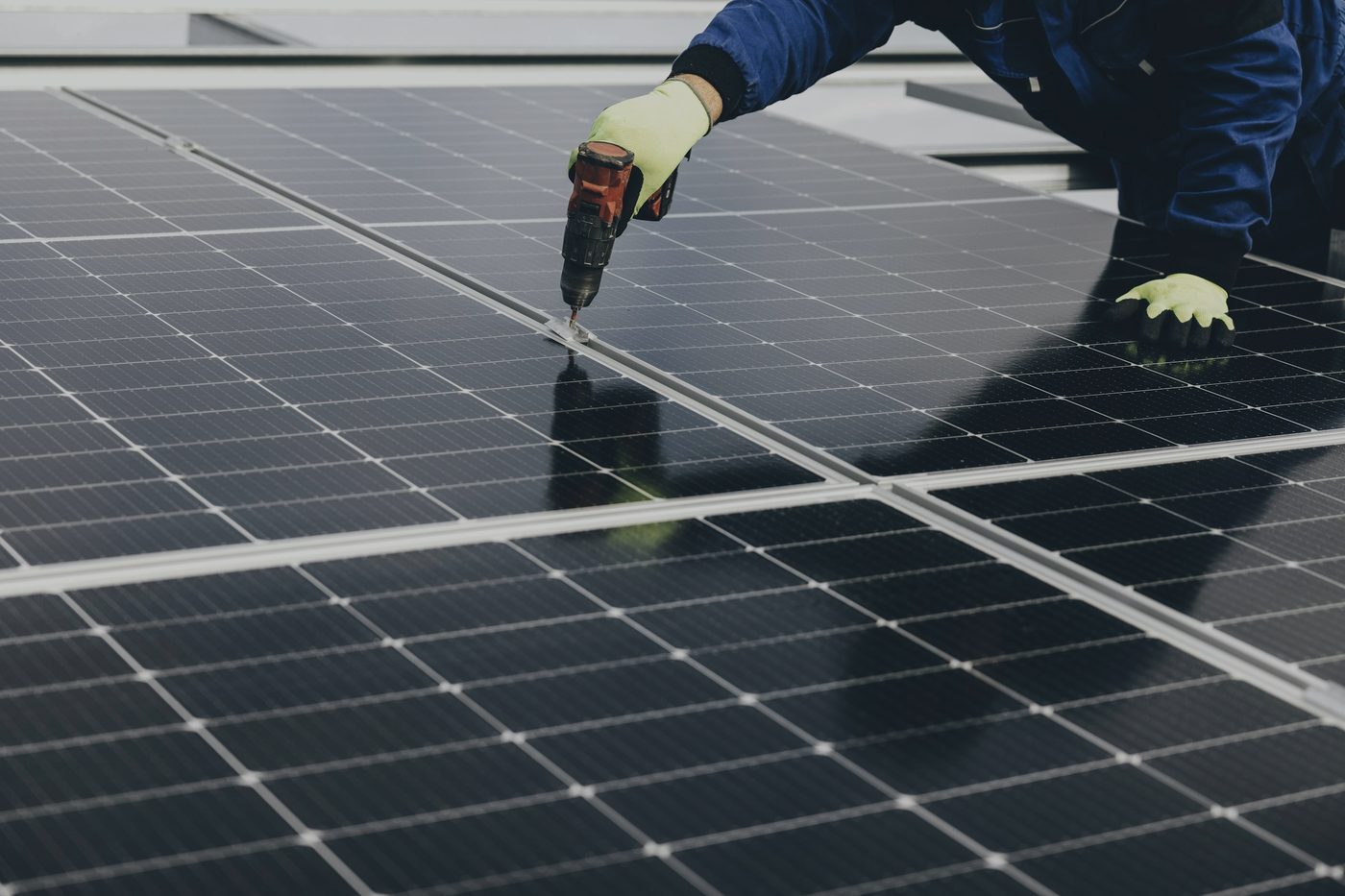
Hands working on a solar panel during installation

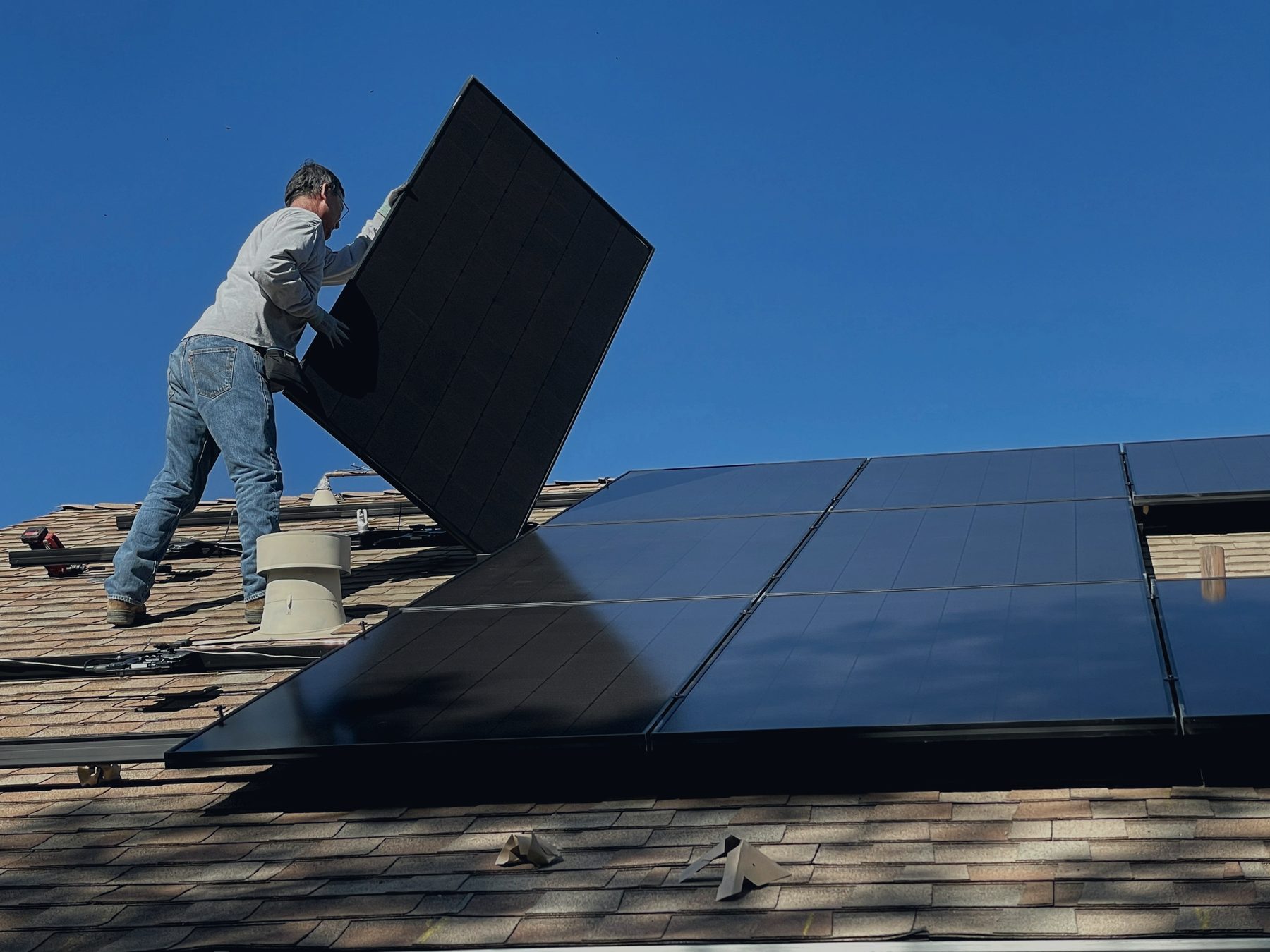
Solar installations

Panels mounted securely, cabling run neatly and protected, and the inverter placed sensibly, then connected to your switchboard and tested.

  • Panel layout to suit your roof
  • Inverter supply and installation
  • Connection to your switchboard
  • Testing and paperwork
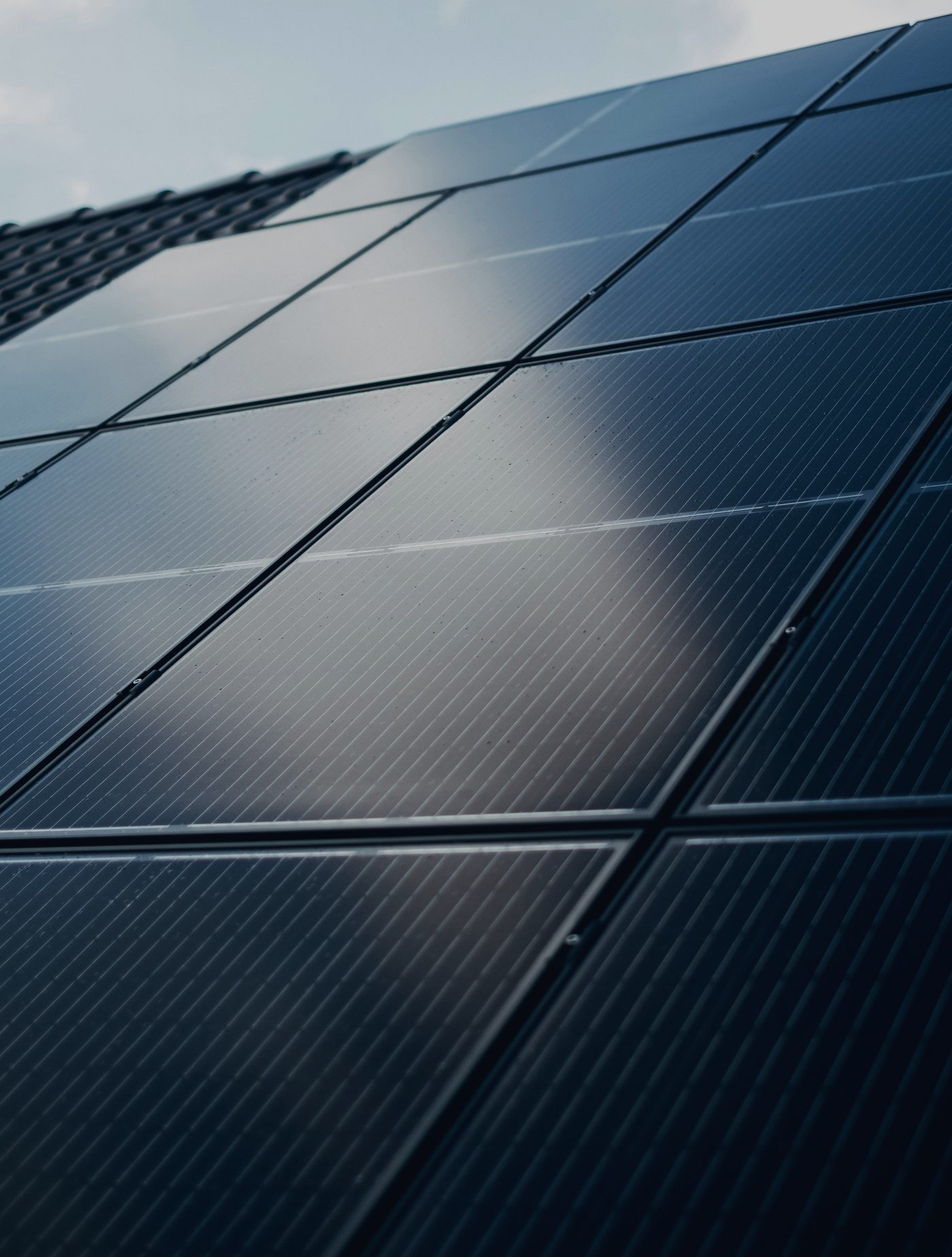
Close-up of black solar panels on a residential roof

Ready for what comes next

Planning the system and switchboard properly now makes it easier to add a battery, a heat pump or an EV charger later.

  • Battery-ready options
  • Works alongside heat pumps
  • Switchboard upgrades if needed

How a system works

From sunlight
to your switchboard.

A typical grid-tied home system has four parts.

  1. Panels

    Panels on your roof turn sunlight into DC electricity. In New Zealand, north-facing roofs generally get the most sun.

  2. Inverter

    The inverter converts that DC into the AC power your home uses, and lets you see what the system is producing.

  3. Your home

    Solar power is used in the house first, cutting the power you need to buy while the sun is up.

  4. Grid or battery

    Any surplus is exported to the grid for a buy-back credit from your retailer, or stored in an optional battery.

Benefits & efficiency

Get the most
from solar.

The more of your own solar power you use, the more it is worth to you. A few things make a real difference.

  1. Lower daytime power bills

    Every unit of solar you use yourself is one you do not buy from the grid.

  2. Shift usage into the day

    Running the dishwasher, washing machine, hot water or heat pump while the sun is up uses more of your own power.

  3. Credit for the surplus

    Power you export earns a buy-back rate. Rates vary between retailers and are usually lower than what you pay, so self-use matters most.

  4. A battery, if it makes sense

    A battery stores daytime surplus for the evening. It adds cost, so it is worth weighing up for your situation.

  5. A straight answer first

    Orientation, shading and usage all affect the result. I will tell you honestly if solar is a good fit before you commit.

Solar enquiry

Is solar right
for you?

Tell me a bit about your home and power use, and I'll get back to you to talk through whether solar makes sense.

021 102 7162

Based in Rodney  ·  Covering all of Auckland